A planning problem often starts with a specification sheet: one scope offers more magnification, another a wider field of view, and a third better low-light performance. The choice becomes clearer when you define the task first-finding a moving bird in woodland, checking a distant ridge, or maintaining a usable sight picture during a long session. Specifications matter, but only after you understand the viewing conditions, subject and handling requirements.
Start with the observation, not the optic
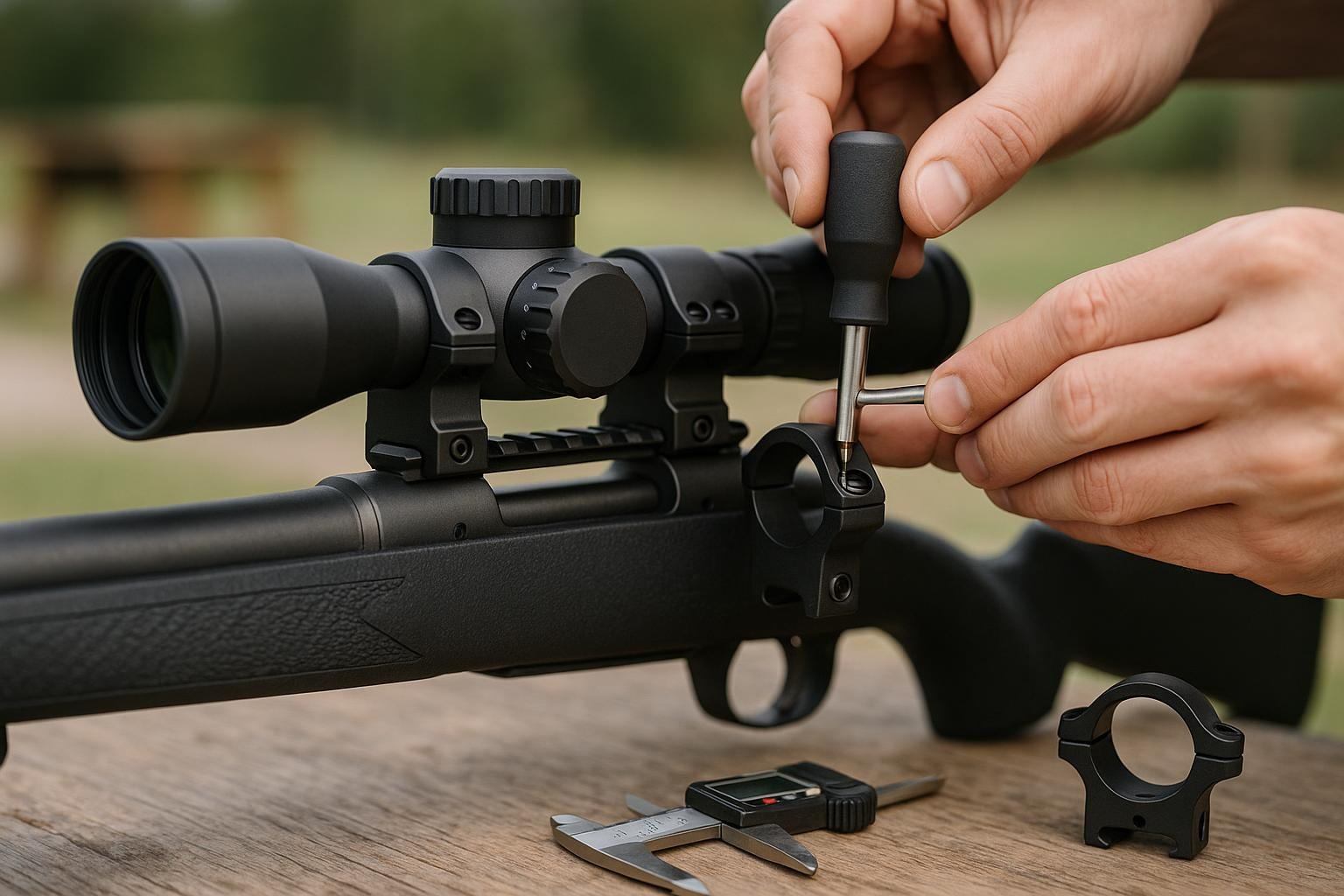
Write down what you need to see. A stationary target viewed from a known position creates different demands from a bird that appears briefly between branches. A rifle scope used for ethical, lawful shooting needs a dependable sight picture and adjustments suited to the rifle and ammunition; maximum magnification alone is not a useful criterion.
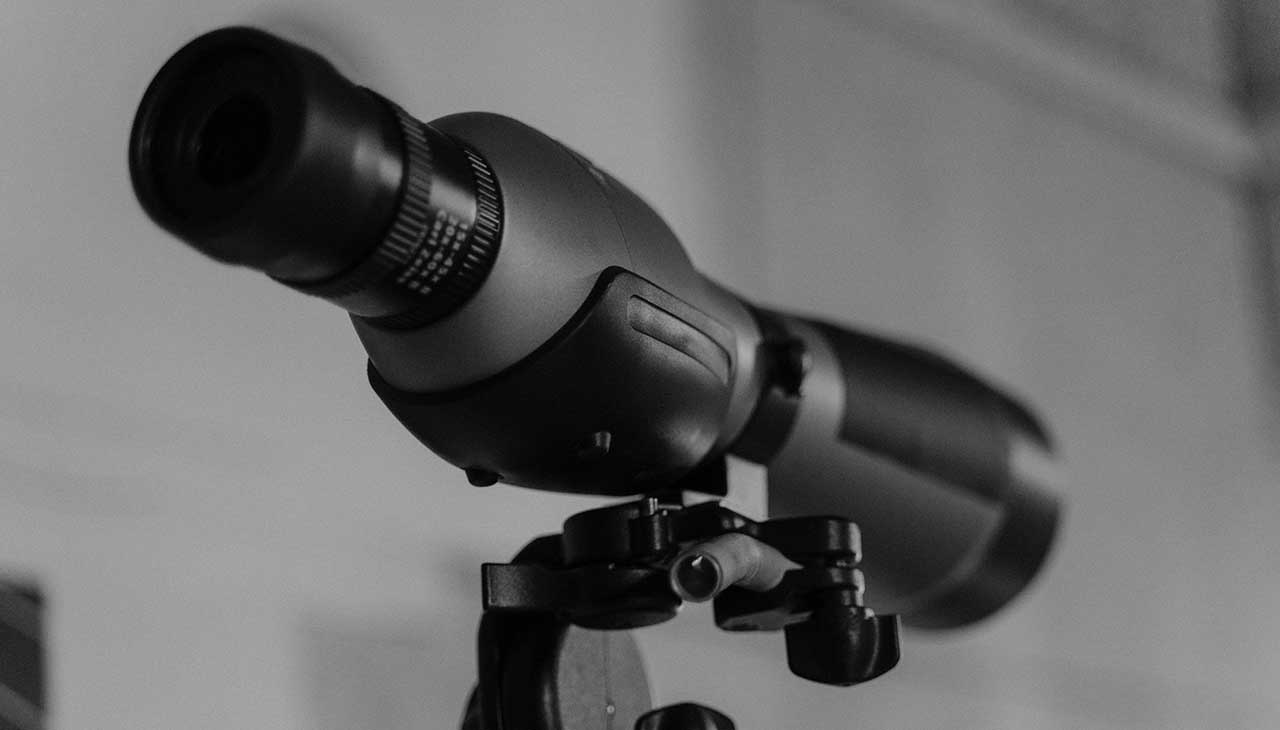
For field observation, ask four questions: how far away is the subject, how much of the scene must remain visible, how quickly must you acquire it, and what light will be available? Binoculars generally suit scanning and following movement because both eyes share the view. A monocular is easier to carry or useful when one hand is occupied, though prolonged viewing may be less relaxed. A birding scope can reveal fine detail at distance, but its size, support requirements and narrower viewing experience make it specialised.
Match magnification to movement and support
High magnification can make an image difficult to find or hold. Observer movement is enlarged, while a narrow field can cause a moving subject to disappear before you reacquire it. With handheld binoculars and monoculars, a view that can be located quickly is often more valuable than extra reach on paper.
A mounted optic changes the trade-off. A tripod-supported birding scope can make detailed inspection practical. A rifle scope mounted on a suitable firearm should offer a magnification range suited to the expected distance, shooting position and target size. Do not treat the highest setting as the normal working setting. Ask whether you can find, track and identify the subject without fighting the view.
Test the optic from the position where it will be used. Standing, sitting and prone positions can produce different results. Support, stock fit, eye position and the time available to settle the view all affect usability.
Treat low light as a system problem
Low-light performance depends on more than a lens or transmission claim. Objective size, exit pupil, glass quality, coatings, pupil position, atmospheric conditions and the observer's eyesight all influence what remains visible as daylight fades. A larger objective may admit more light, but it also adds weight and bulk. A brighter view is of limited value if the instrument is awkward to carry or difficult to position consistently.
Night vision adds further decisions. Distinguish between seeing a scene, identifying a subject and judging details well enough for a lawful activity. Ambient light, infrared illumination, weather, vegetation and display quality can change the result, while some equipment alters depth perception or colour information. Check current laws and regulations before using night vision for hunting, shooting, surveillance or wildlife observation; requirements vary by jurisdiction and over time, and official guidance takes priority.
Check the view before trusting the numbers
A specification sheet cannot show how quickly your eyes find the image. Whenever possible, inspect the optic in person or use a return policy that allows realistic testing. View a detailed subject at several distances, then try a lower-contrast subject and a shaded area. Note when detail disappears, whether the edges remain usable and how much adjustment is needed for a comfortable view.
Check eye relief and eye position with the equipment you will actually wear or use. Glasses can change the setup. With rifle scopes, mount position and a consistent cheek weld determine whether the full field appears without dark crescents. Do not judge a scope only from a bench if it will be used from changing field positions.
Test the focus controls. Can you make small adjustments without disturbing the instrument? Does the dioptre setting stay put? Turn the controls through their range and watch for stiffness, looseness or backlash. These are not laboratory measurements, but they show whether the controls suit your hands and routine.
Account for carrying, weather and support
An optic is used more often when it is comfortable to transport and quick to deploy. Weight matters most on long routes, when support is limited or when other equipment must be carried. A larger instrument may provide a steadier, more detailed view from a tripod, while compact binoculars may be ready for a short stop beside a trail.
Check weather protection through the manufacturer's construction and care instructions rather than a marketing phrase. Examine the objective and eyepiece covers, hinge tension, focus action and attachment points. Fogging can occur when equipment moves between temperatures even if the housing is sealed, so allow it to acclimatise instead of opening caps or wiping internal surfaces in the field.
A simple checklist helps prevent specification-led buying:
– Define the subject, distance and light before comparing models.
– Choose handheld or mounted viewing according to how long you need to study the scene.
– Test field of view, focus, eye relief and low-light detail from a realistic position.
– Include weight, weather handling and support in the budget of effort, not just money.
– Confirm current legal requirements for night vision and firearm-related use.
Choose the compromise you will use well
There is no single best optic for every outdoor task. Compact binoculars may be right for scanning, while a monocular suits a pack where space is restricted. A birding scope earns its size when fine detail at distance matters. Rifle scopes should be selected around the lawful shooting application, mounting setup and the user's ability to acquire a stable, repeatable sight picture. Night vision is most useful when its limitations are understood before it reaches the field.
Name the task in one sentence and describe the conditions honestly. Then choose the instrument that makes that task easier, even if another model has a longer list of specifications. An optic that is clear enough, manageable and quick to use will usually serve better than one that looks superior only in a comparison column.